Learning new skills quickly has become essential in today’s fast-paced world. Whether you want to advance your career, start a new hobby, or simply expand your knowledge, having a well-structured personal education plan can make all the difference. This article explores proven strategies to optimize your learning journey and acquire skills faster than ever before.
Understanding Personal Education Plans
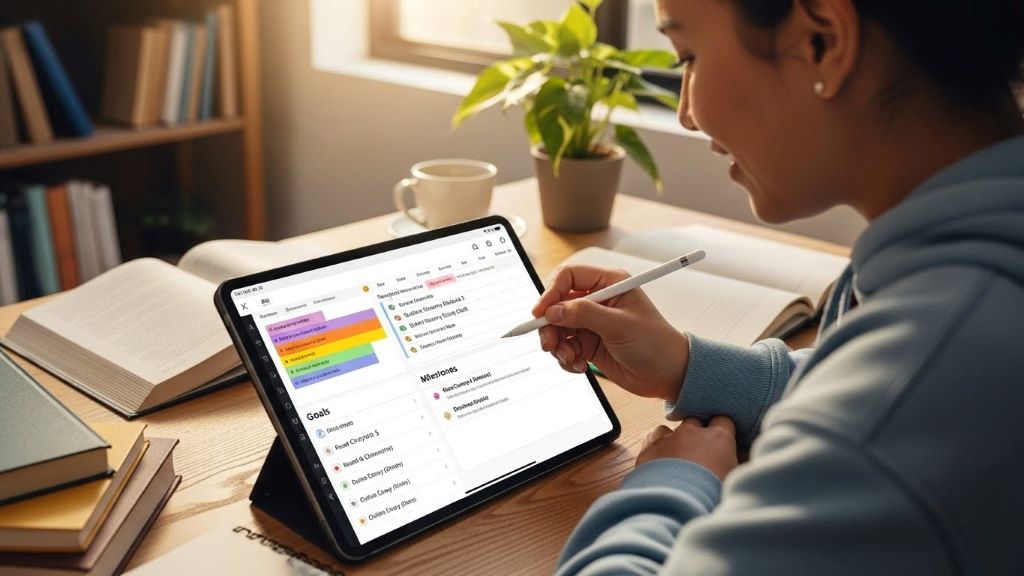
A personal education plan is essentially a roadmap for your learning goals. It outlines what you want to learn, how you’ll learn it, and when you plan to achieve specific milestones. Unlike traditional education systems, personal plans put you in complete control of your learning experience.
The key advantage of creating your own education plan is flexibility. You can adapt the pace, focus on areas that matter most to you, and switch directions when needed. Moreover, research shows that self-directed learners often retain information better because they’re genuinely interested in the subject matter.
Setting Clear and Measurable Goals
Before diving into any learning material, you need to define what success looks like. Vague goals like “get better at coding” won’t give you the direction you need. Instead, aim for specific targets such as “build three functional web applications using JavaScript within three months.”
Break down large goals into smaller milestones. For instance, if you’re learning a new language, your first milestone might be holding a five-minute conversation. The next could be reading a short book without translation help. These checkpoints keep you motivated and provide clear evidence of progress.
Additionally, make your goals time-bound. Deadlines create a sense of urgency that can boost your productivity. However, be realistic about what you can achieve given your other commitments. Setting impossible deadlines will only lead to frustration and burnout.
Choosing the Right Learning Resources
The internet offers countless learning resources, but not all are created equal. Start by identifying your learning style. Do you prefer video tutorials, written guides, interactive exercises, or hands-on projects? Understanding this helps you select materials that align with how your brain processes information best.
Look for resources created by recognized experts or institutions. Platforms like Coursera and edX partner with top universities to offer high-quality courses. Reading reviews and checking credentials can save you from wasting time on subpar materials.
Furthermore, don’t limit yourself to just one resource type. Combining different formats reinforces learning through multiple channels. For example, you might watch video lectures, read supplementary articles, and complete practical exercises all for the same topic.
Implementing Active Learning Techniques
Passive learning, like simply reading or watching videos, has limited effectiveness. Active learning engages your brain more deeply and leads to better retention. One powerful technique is the Feynman method, where you explain concepts in simple terms as if teaching someone else.
Practice retrieval by testing yourself regularly instead of just reviewing notes. Flashcards, practice problems, and teaching others force your brain to actively recall information. This strengthens neural pathways and makes knowledge more accessible when you need it.
Another effective strategy involves spaced repetition. Rather than cramming everything at once, review material at increasing intervals. You might review something after one day, then three days, then a week, and so on. This approach works with how memory naturally functions.
Creating a Consistent Study Schedule
Consistency beats intensity when it comes to skill acquisition. Studying for 30 minutes daily is more effective than cramming for three hours once a week. Regular practice keeps information fresh and allows your brain to consolidate learning during rest periods.
Identify your peak performance times. Some people focus best in the morning, while others are night owls. Schedule your most challenging learning activities during these optimal windows. Reserve less demanding tasks for when your energy naturally dips.
However, remember that quality matters more than quantity. A focused 20-minute session without distractions beats an hour of half-hearted studying while checking your phone. Create a dedicated learning environment free from interruptions.

Leveraging the Power of Deliberate Practice
Not all practice is equal. Deliberate practice involves working on specific weaknesses rather than just repeating what you already know. If you’re learning guitar, this means focusing on difficult chord transitions instead of playing easy songs repeatedly.
Get immediate feedback whenever possible. This could come from a mentor, online community, or even self-assessment tools. Quick corrections prevent you from reinforcing bad habits. Therefore, seek out opportunities for real-time evaluation of your work.
Push yourself slightly beyond your current comfort zone. Growth happens at the edge of your abilities. If something feels too easy, you’re probably not learning efficiently. Conversely, if it’s overwhelmingly difficult, you need to break it down further.
Building Knowledge Through Projects
Theory without application rarely sticks. Project-based learning forces you to use multiple skills simultaneously and reveals gaps in your understanding. When learning web development, build an actual website. When studying data analysis, work with real datasets.
Start with small projects that you can complete quickly. These early wins build confidence and momentum. As your skills grow, gradually tackle more complex challenges. Each completed project serves as proof of your progress.
Additionally, share your projects with others. Public accountability motivates you to produce quality work. Feedback from peers or online communities provides valuable insights you might miss on your own.
Joining Learning Communities
Learning doesn’t have to be a solitary activity. Online forums, study groups, and professional networks offer support, resources, and accountability. Platforms like Reddit, Discord, and LinkedIn host communities for virtually every skill imaginable.
Participate actively rather than just lurking. Ask questions, share your progress, and help others when you can. Teaching reinforces your own understanding while building relationships with fellow learners. These connections can lead to collaboration opportunities and valuable insights.
Moreover, communities keep you updated on industry trends and best practices. What you learn from a course might be slightly outdated, but community members share current information. This real-world knowledge complements formal learning materials.
Tracking Progress and Adjusting Strategies
Regular self-assessment helps you identify what’s working and what isn’t. Keep a learning journal where you note daily progress, challenges, and breakthroughs. This record provides motivation when you feel stuck and helps you see patterns in your learning process.
Use metrics appropriate to your goals. If you’re learning a language, track vocabulary size or conversation duration. For coding, count completed projects or problems solved. Quantifiable measures make progress tangible and easier to evaluate.
Be willing to pivot when necessary. If a particular resource or method isn’t yielding results after a reasonable trial period, try something different. Flexibility is one of the main advantages of a personal education plan. Therefore, don’t feel locked into strategies that aren’t serving you well.
Maintaining Motivation and Avoiding Burnout
Long-term skill acquisition requires sustained motivation. Celebrate small wins along the way rather than waiting for major achievements. Completed a tough lesson? Treat yourself. Reached a milestone? Share it with friends or on social media.
Build variety into your learning routine. If you’re studying the same topic daily, approach it from different angles. Mix theoretical study with practical application. Alternate between challenging and easier materials to maintain engagement without exhaustion.
However, recognize when you need breaks. Rest is crucial for memory consolidation and preventing burnout. Taking a day off occasionally can actually improve long-term progress. Listen to your body and mind rather than pushing through when genuinely exhausted.
Conclusion
Optimizing your personal education plan transforms learning from a daunting challenge into an achievable journey. By setting clear goals, choosing appropriate resources, implementing active learning techniques, and maintaining consistency, you can acquire new skills faster than you might think possible. Remember that everyone’s learning path is unique, so experiment with different strategies to find what works best for you. The investment you make in creating and following a structured plan pays dividends throughout your life, opening doors to new opportunities and personal growth.
Frequently Asked Questions
How long does it typically take to acquire a new skill?
The time required varies greatly depending on skill complexity and practice intensity. Simple skills might take 20-50 hours of focused practice, while professional-level expertise typically requires several thousand hours. Most people can achieve basic competency in 3-6 months with consistent daily practice.
Should I focus on one skill at a time or learn multiple skills simultaneously?
For faster acquisition, focusing on one primary skill is generally more effective. However, learning complementary skills together can be beneficial. For example, studying Spanish vocabulary while learning about Latin American culture reinforces both areas. Avoid spreading yourself too thin across completely unrelated skills.
What’s the best way to stay motivated when progress feels slow?
Track small wins and review past progress regularly to remind yourself how far you’ve come. Connect your learning to meaningful personal goals rather than external pressures. Additionally, join communities where you can share challenges and celebrate achievements with others on similar journeys.
How do I know if my learning resources are high quality?
Look for resources created by recognized experts with proven credentials. Check reviews and ratings from other learners. High-quality materials should be well-structured, regularly updated, and include practical applications. If you’re not seeing progress after reasonable effort, the resource might not be suitable for your learning style.
Can older adults learn new skills as quickly as younger people?
While younger brains may have some advantages in certain types of learning, adults bring valuable strengths like discipline, existing knowledge networks, and clearer motivation. Adults can absolutely acquire new skills effectively by leveraging experience and using proven learning strategies. Age matters less than consistency and appropriate methods.
Related Topics:
Beyond the Numbers: How a Humanities Major Can Boost Your Employability