Imagine a classroom where every student learns the same way, at the same pace. This setup sounds efficient, but it often fails many kids. The one-size-fits-all education approach treats all learners identically, ignoring unique needs and styles. Educators push uniform curricula, yet students vary in abilities and interests. According to a 2023 UNESCO report, standardized teaching methods contribute to higher dropout rates in diverse populations. Additionally, the U.S. Department of Education notes that 20% of students struggle in rigid systems, leading to lower engagement. This article explores the drawbacks in depth. Readers will discover why personalized learning matters more today. By understanding these issues, parents and teachers can advocate for better methods.
Understanding the One-Size-Fits-All Model
Schools often adopt a uniform education system for simplicity. Teachers deliver the same lessons to everyone. This method assumes all students absorb information equally. However, reality shows otherwise. Children come from different backgrounds. Some grasp concepts quickly, while others need extra time. The model overlooks these variations. As a result, frustration builds among learners. For instance, a bright student might feel bored, and a struggling one could fall behind. Experts argue this approach stems from industrial-era thinking. Factories needed standardized workers, so schools mirrored that. Today, society demands innovation, yet many classrooms stick to old ways. Transitioning to flexible models requires effort, but the benefits outweigh the challenges.
This system prioritizes efficiency over effectiveness. Administrators find it easier to manage large groups uniformly. Yet, this ignores individual growth. Studies from Harvard’s Graduate School of Education highlight how rigid structures limit potential. They suggest diverse teaching strategies boost outcomes. Moreover, global comparisons reveal flexible systems in Finland yield higher student satisfaction. In contrast, strict uniformity often leads to disengagement. Therefore, recognizing these roots helps pinpoint flaws. People can then push for changes that honor differences.

Ignoring Individual Learning Styles
Every student learns differently. Some thrive with visual aids, others prefer hands-on activities. The one-size-fits-all method forces everyone into lectures or textbooks. Consequently, many feel left out. For example, kinesthetic learners struggle in passive settings. They need movement to understand ideas. Without it, their performance drops. Research from the American Psychological Association supports this. It shows mismatched styles reduce retention by up to 30%. Additionally, auditory learners excel in discussions, but silent reading bores them. This mismatch creates barriers. Teachers notice, yet systemic constraints limit adaptations.
Furthermore, personality types play a role. Introverts may shy away from group work, while extroverts crave interaction. Uniform approaches overlook these traits. As a result, anxiety rises in unsuited environments. A 2024 study by the OECD found that personalized elements lower stress levels. Schools incorporating varied methods see happier students. However, sticking to one way amplifies problems. Parents observe this at home, where kids excel with tailored help. Thus, shifting focus could transform experiences.
Visualize a child who loves drawing but sits through math drills. Boredom sets in quickly. The system doesn’t adapt, so talent goes untapped. Experts recommend assessments to identify styles early. Tools like multiple intelligence tests guide adjustments. Yet, many districts lack resources for this. Therefore, advocacy becomes key. Communities can demand training for diverse teaching.
Stifling Creativity and Critical Thinking
Creativity flourishes in open environments. The uniform model emphasizes rote memorization instead. Students repeat facts without questioning. This dulls innovative sparks. For instance, art classes follow strict guidelines, limiting expression. Kids learn to conform rather than explore. A report from the World Economic Forum stresses creativity as a top future skill. Yet, standardized tests prioritize answers over ideas. Consequently, graduates enter workplaces unprepared for challenges.
Moreover, critical thinking suffers. Debates and projects encourage analysis, but lectures dominate. Pupils accept information passively. This hinders problem-solving abilities. Research from Stanford University reveals flexible curricula enhance reasoning. In contrast, rigid ones produce compliant but unoriginal thinkers. Therefore, societies lose potential innovators. Teachers share stories of students blooming when given freedom. One educator noted a shy kid inventing solutions during open tasks. Such anecdotes illustrate the loss.
Encouraging curiosity requires variety. Uniformity suppresses questions. As a result, engagement plummets. Statistics from Gallup show only 30% of students feel inspired in school. Transition words like however highlight the gap. Implementing project-based learning counters this. Schools experimenting with it report higher motivation. Thus, moving away from one-size-fits-all unlocks potential.
Contributing to Inequality and Exclusion
Diverse backgrounds demand tailored support. The uniform approach widens gaps instead. Low-income students often lack home resources. They struggle in fast-paced classes. Meanwhile, privileged peers advance easily. This perpetuates inequality. A 2025 study by the Brookings Institution found standardized systems favor advantaged groups. Minorities and disabled learners face extra hurdles. For example, English language learners need bilingual aids, but many programs ignore this.
Additionally, cultural differences go unaddressed. Curriculum reflects dominant views, alienating others. Native American students might find history lessons biased. This leads to disconnection. Experts advocate inclusive materials. Yet, uniformity resists change. As a consequence, dropout rates climb in marginalized communities. Data from the National Center for Education Statistics confirms this trend.
Inclusion suffers too. Special needs students require accommodations. Rigid structures provide little flexibility. Autism spectrum learners benefit from quiet spaces, but crowded classrooms overwhelm them. Therefore, frustration mounts. Parents fight for IEPs, yet systemic barriers persist. Transitioning to equitable models demands policy shifts. Communities benefit when all thrive.
Leading to Burnout and Mental Health Issues
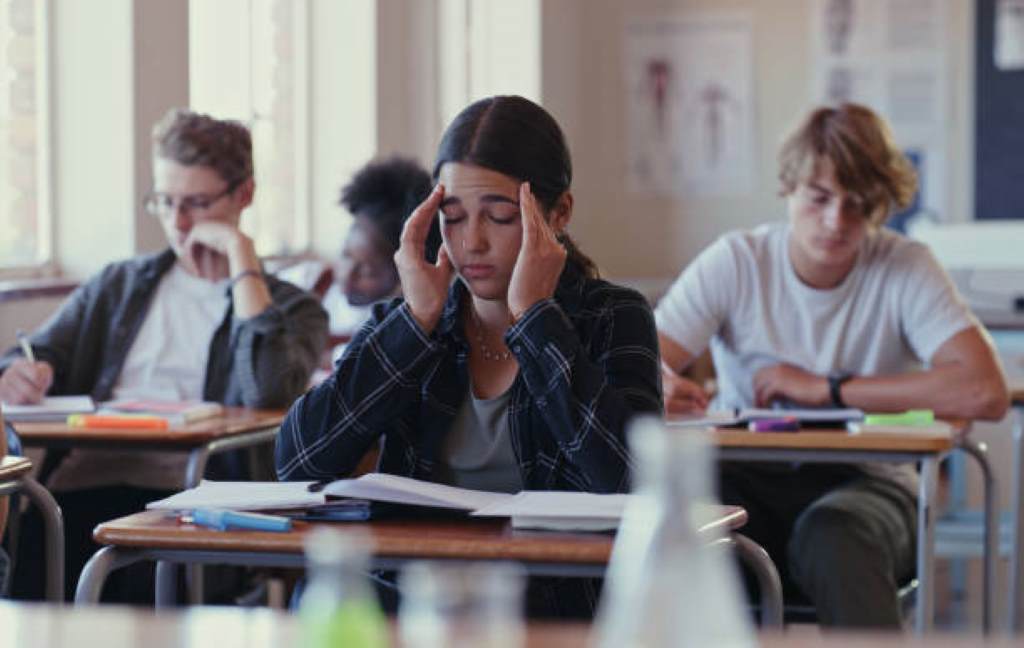
Constant pressure affects well-being. Students push to meet uniform standards. This causes stress. High achievers feel exhausted from unchallenging work. Strugglers experience failure repeatedly. Both scenarios harm mental health. The CDC reports rising anxiety in schools with rigid formats. In 2024, 40% of teens cited academic pressure as a top concern.
Teachers burn out too. They juggle diverse needs in one mold. Frustration builds from limited tools. A survey by the National Education Association shows 50% consider quitting. This cycle hurts everyone. Personalized approaches reduce this. For instance, modular learning lets kids pace themselves. Results show lower burnout.
Stories abound of kids thriving post-change. One teen switched to homeschooling and regained joy. Such shifts highlight drawbacks. Promoting wellness requires awareness. Schools can integrate mindfulness, but uniformity blocks it. Thus, reform becomes essential.
Hindering Technological Integration
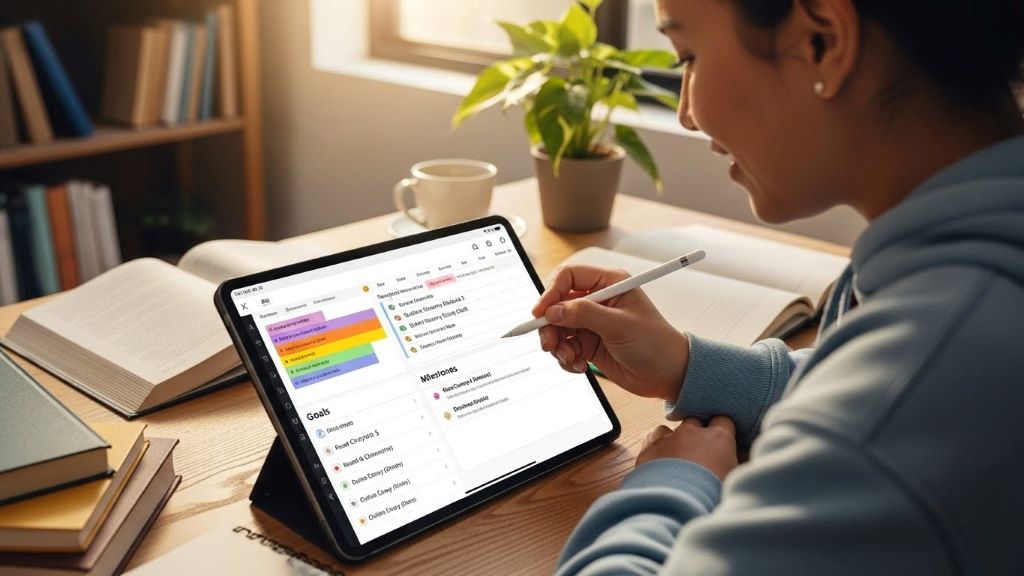
Technology offers personalized tools. Yet, uniform systems resist adaptation. Classrooms stick to traditional methods. This misses digital opportunities. Apps like Khan Academy allow self-paced learning. However, strict curricula limit use. A 2025 Pew Research Center study notes tech boosts engagement when customized.
Barriers include training gaps. Teachers need skills for varied tech. Uniformity discourages this. As a result, innovation stalls. Students prepare poorly for digital worlds. Coding classes could vary by interest, but one-size-fits-all standardizes them.
Examples show success in flexible tech use. Singapore integrates AI for tailored lessons. Outcomes improve markedly. Therefore, embracing change enhances education.
Limiting Teacher Autonomy and Innovation
Educators know students best. Uniform policies restrict their creativity. They follow scripts instead of adapting. This diminishes passion. A study from the University of Cambridge finds autonomy boosts teaching quality.
Innovation suffers. Teachers experiment less. New ideas get sidelined. Consequently, classrooms stagnate. Stories of inspired educators changing lives contrast this. One teacher created custom projects, sparking interest.
Granting freedom yields results. Districts allowing flexibility see higher retention. Thus, empowering teachers counters drawbacks.
Failing to Prepare for Real-World Diversity
Life demands adaptability. Uniform education teaches conformity. Graduates struggle in diverse workplaces. They lack collaboration skills. The OECD’s PISA reports highlight this gap.
Real-world examples abound. Interns from rigid schools adapt slowly. Flexible alumni excel. Therefore, preparation requires variety.
Economic Impacts on Society
Poor education affects economies. Uniform systems produce mismatched workers. Innovation lags. A World Bank report estimates $10 trillion loss globally from ineffective schooling.
Investing in personalization pays off. Countries like Estonia see growth from adaptive models.
Alternatives to One-Size-Fits-All Education
Personalized learning tailors experiences. It uses data for custom paths. Benefits include higher engagement.
Blended models mix online and in-person. They offer flexibility.
Montessori approaches encourage self-direction. Results show confident learners.
Implementing changes starts small. Pilot programs test ideas.
Challenges in Shifting Away
Resistance comes from tradition. Change requires resources.
Training teachers takes time. Budgets limit progress.
Policy makers must prioritize. Communities advocate effectively.
Case Studies of Successful Reforms
Finland reformed in the 1990s. They decentralized control. Students now rank high globally.
Canada’s provinces vary approaches. Outcomes improve.
A U.S. district adopted personalization. Graduation rates rose 15%.
Role of Parents and Communities
Parents influence change. They attend meetings.
Communities fund initiatives. Partnerships with businesses help.
Voices matter. Stories drive reform.
Future Trends in Education
AI personalizes learning. It adapts in real-time.
Virtual reality immerses students. Experiences vary.
Lifelong learning emphasizes flexibility.
Conclusion
The one-size-fits-all education approach ignores differences, stifles creativity, and widens inequalities. It leads to burnout, limits innovation, and fails real-world preparation. Alternatives like personalized learning offer hope. Societies benefit from diverse methods. Take action now. Advocate for changes in your local school. Push for policies that honor individual needs. Your involvement shapes better futures.
What Are the Main Drawbacks of a One-Size-Fits-All Education System?
This system overlooks learning styles, leading to disengagement. It stifles creativity by emphasizing memorization. Inequality grows as diverse needs go unmet. Mental health suffers from constant pressure. Preparation for life lags behind.
How Does the One-Size-Fits-All Approach Affect Student Motivation?
Uniform methods bore advanced learners and overwhelm others. Frustration reduces interest. Personalized elements boost drive. Studies show engagement rises with variety. Motivation thrives in adaptive environments.
Can Technology Help Overcome These Drawbacks?
Yes, tech offers custom tools. Apps allow self-pacing. AI adapts lessons. Integration requires training. Successful examples show improved outcomes.
What Role Do Teachers Play in Mitigating These Issues?
Teachers adapt within limits. Autonomy lets them innovate. Training enhances skills. Advocacy pushes for flexibility. Their insights drive change.
Are There Successful Alternatives to This Model?
Personalized learning tailors paths. Montessori fosters independence. Blended models mix formats. Reforms in Finland prove effectiveness. Implementation yields positive results.