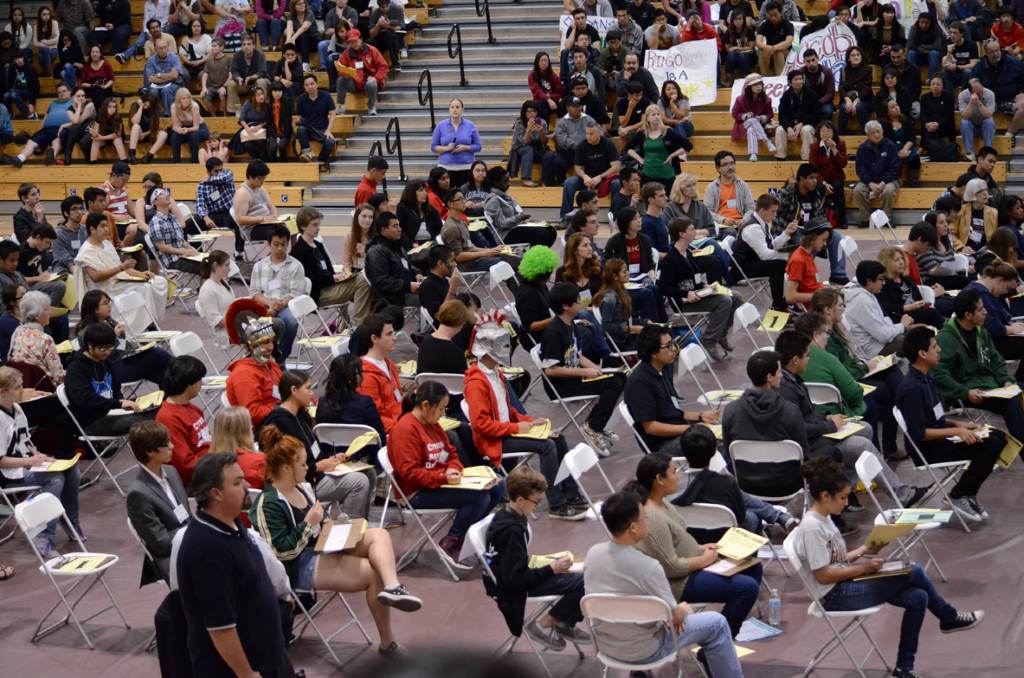
The Academic Decathlon is a prestigious competition that tests high school students’ knowledge and skills across ten diverse subjects. Many wonder, how hard is the Academic Decathlon? It’s challenging but rewarding, requiring dedication, teamwork, and a love for learning. Students compete in events like math, literature, and science, pushing their limits in both objective tests and subjective events. According to the United States Academic Decathlon, over 40,000 students participate annually, with top performers earning scholarships and recognition. A 2023 study from the National Education Association highlights that participants often improve critical thinking by 30% through preparation. This article explores the competition’s difficulty, preparation strategies, and tips to succeed, answering every question you might have.
What Is the Academic Decathlon?
The Academic Decathlon is a team-based competition for high school students. It covers ten subjects: math, science, literature, social science, economics, art, music, speech, interview, and essay writing. Teams consist of nine students, divided into three GPA categories: Honors, Scholastic, and Varsity. Each category ensures fair competition based on academic performance. The United States Academic Decathlon organizes regional, state, and national competitions, with top teams advancing to the National Finals. Schools like El Camino Real Charter High School and Granada Hills Charter have excelled in recent years.
The competition tests both knowledge and performance skills. Objective tests include multiple-choice questions, while subjective events like speech and interview assess communication. The Super Quiz, a highlight, involves rapid-fire questions in front of an audience. With such diversity, students must master a broad curriculum and develop teamwork skills.
Why Is the Academic Decathlon Considered Hard?
The Academic Decathlon’s difficulty stems from its wide-ranging subjects and intense preparation. Here’s why it’s challenging:
- Broad Curriculum: Students study ten subjects, from differential calculus to human anatomy.
- Time Commitment: Preparation often takes months, with cram sessions and study plans.
- Team Dynamics: Team chemistry and formation are key to success.
- Performance Pressure: Subjective events like speech and interview components require confidence.
- Competition Level: Regional competitions and state-level events are highly competitive.
Students must balance schoolwork, extracurriculars, and Decathlon preparation. The California Academic Decathlon, for instance, draws top talent, making it tough to stand out. Yet, the challenge builds resilience and skills valued by admissions officers.
Breaking Down the Academic Decathlon Subjects
Each subject tests different skills, adding to the competition’s complexity. Here’s a closer look:
Language and Literature
Students analyze classic works like The Great Gatsby and Jane Eyre. The literature curriculum includes themes like the Jazz Age and Sci-Fi & Fantasy Literature. Expect in-depth questions on plot, characters, and symbolism. Preparation involves reading, annotating, and discussing texts.
Mathematics Curriculum
Math covers algebra, geometry, and differential calculus. Questions range from basic to advanced, requiring quick problem-solving. Students use study materials to practice formulas and concepts.
Science Curriculum
The science curriculum often focuses on topics like human anatomy or environmental science. Tests demand memorization and application of complex concepts. Past topics include The Cold War’s impact on science.
Social Science Curriculum
This subject explores history and culture, such as The Cold War or global events. Students must connect historical events to modern implications, using critical thinking.
Economics Curriculum
International economics and basic principles are tested. Students study supply and demand, market structures, and global trade. Resources like Resource Guides help break down complex topics.
Art Curriculum
Art includes analyzing famous works, styles, and periods. Students memorize artists, techniques, and historical context. Visual analysis is key to scoring well.
Music Curriculum
Music theory and history, including periods like the Jazz Age, are covered. Students may analyze composers or musical structures, requiring a sharp ear and memory.
Speech and Interview Components
These subjective events test communication. Students deliver prepared speeches and answer impromptu questions. Confidence and clarity are essential.
Essay Writing
Students write essays on literature, history, or science topics. Time management and clear arguments are critical for high scores.
Super Quiz
The Super Quiz is a fast-paced, team-based event. Topics vary, from The Lord of the Rings to historical events. It’s both exciting and nerve-wracking.
How Much Time Does Preparation Take?
Preparation is intense, often spanning months. Students dedicate hours daily to studying. Here’s a typical study plan:
- Daily Study: 2–3 hours on weekdays, 5–6 hours on weekends.
- Cram Sessions: Intense review before regional competitions.
- Team Practice: Weekly meetings to build team chemistry.
- Resource Guides: Official materials guide study focus.
Balancing school and Decathlon is tough. Students like those at North Providence High School or Rutherford High School often juggle Advanced Placement Literature alongside preparation. A strong study plan helps manage time.
Who Competes in the Academic Decathlon?
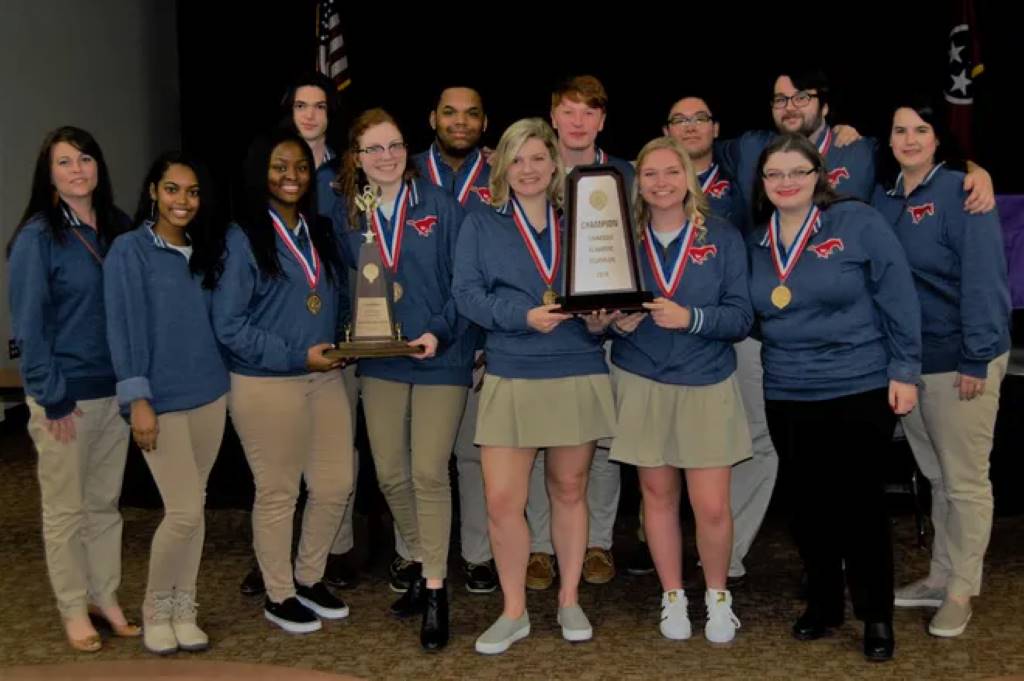
Students from diverse backgrounds join the competition. Teams include:
- Honors Division: Students with high GPAs (3.75–4.0).
- Scholastic Division: Students with GPAs between 3.0–3.74.
- Varsity Division: Students with GPAs below 3.0.
Schools like those in the Los Angeles Unified School District or Garden Grove form teams based on GPA categories. Team formation emphasizes diversity and collaboration, fostering teamwork skills.
How Competitive Is the Academic Decathlon?
The competition is fierce, especially at state and national levels. The California State Academic Decathlon and Massachusetts Academic Decathlon draw top teams. National Finals pit the best against each other, with schools like Granada Hills Charter dominating. Over 500 schools compete annually, per the United States Academic Decathlon. Scholarships, like the Founders Scholarship and Norman Katz Scholarship, motivate students to excel.
What Makes Preparation Challenging?
Preparation requires discipline and strategy. Key challenges include:
- Volume of Material: Covering ten subjects is overwhelming.
- Time Management: Balancing study with schoolwork is tough.
- Team Coordination: Team performance depends on cohesion.
- Subject Depth: Topics like differential calculus demand focus.
Students use instructional materials and Resource Guides to streamline study. Coaches like Stephanie Franklin and Amy Contreras, past Decathlon leaders, emphasize consistent practice.
Tips for Succeeding in the Academic Decathlon
Success requires planning and effort. Here are practical tips:
- Start Early: Begin studying months before regional competitions.
- Use Resource Guides: Official materials cover key topics.
- Practice Subjective Events: Rehearse speeches and interviews.
- Join Study Groups: Collaborate with teammates for motivation.
- Simulate Tests: Take practice objective tests to build confidence.
- Focus on Weak Areas: Spend extra time on tough subjects like math.
Community engagement, like attending the World Youth Forum, can inspire students. Comparing to events like Quiz Bowl or Science Olympiad, the Decathlon’s breadth is unique.
Benefits of Competing in the Academic Decathlon
The Academic Decathlon offers more than competition. Benefits include:
- Skill Development: Improves critical thinking and communication.
- College Applications: Admissions officers value Decathlon experience.
- Scholarships: Awards like the Founders Scholarship provide funding.
- Teamwork: Builds collaboration and leadership skills.
- Confidence: Mastering tough subjects boosts self-esteem.
Participants often see academic and personal growth, making the effort worthwhile.
Related:
Top AI Tools for Higher Education in 2025: Transforming Teaching and Learning
Why Busy Families Appreciate a Dependable Roof Repair Company in Huntsville
The Financial and Career Benefits of Completing a Certificate IV in WHS
How Does the Academic Decathlon Compare to Other Competitions?
The Decathlon stands out for its range. Unlike Quiz Bowl, which focuses on trivia, or Science Olympiad, which emphasizes science, the Decathlon covers ten subjects. Performance-based assessments like speeches set it apart. Its team-based format fosters camaraderie, unlike individual-focused events.
Overcoming Common Challenges
Students face hurdles but can overcome them:
- Burnout: Take breaks to stay fresh.
- Weak Subjects: Focus on incremental progress.
- Nerves: Practice subjective events to build confidence.
- Time Crunch: Prioritize high-impact study sessions.
Coaches and teammates provide support, ensuring no one feels alone.
Stories of Success
Schools like El Camino Real Charter High School and Granada Hills Charter have won National Finals. Students like Stephanie Franklin, a past competitor, credit the Decathlon for college success. These stories show that hard work pays off.
How to Get Started
Interested in joining? Here’s how:
- Find a Team: Check if your school participates.
- Contact Coaches: Ask about tryouts and requirements.
- Get Materials: Use Resource Guides for preparation.
- Form a Study Plan: Schedule consistent study time.
- Build Team Chemistry: Connect with teammates early.
The Los Angeles County Academic Decathlon or Massachusetts Academic Decathlon websites offer resources to start.
FAQs
How Hard Is the Academic Decathlon Compared to AP Classes?
The Decathlon covers more subjects than AP classes. It requires broader knowledge but less depth per subject. Preparation is intense but manageable with a study plan.
What Are the GPA Requirements for the Academic Decathlon?
Teams include Honors (3.75–4.0 GPA), Scholastic (3.0–3.74 GPA), and Varsity (below 3.0 GPA) divisions. Each student competes within their GPA category.
How Long Does It Take to Prepare for the Academic Decathlon?
Preparation takes 3–6 months. Students study 2–6 hours daily, using Resource Guides and practice tests to cover all subjects.
Can You Win Scholarships Through the Academic Decathlon?
Yes, scholarships like the Founders Scholarship and Norman Katz Scholarship are awarded to top performers at state and national competitions.
How Does Team Chemistry Impact Academic Decathlon Success?
Team chemistry is key. Strong collaboration improves performance in events like the Super Quiz and boosts overall scores.
Is the Academic Decathlon Worth It?
The Academic Decathlon is tough but rewarding. It challenges students across ten subjects, demanding time, effort, and teamwork. With dedication, students gain skills, confidence, and opportunities for scholarships. Whether you’re at North Providence High School or competing in the International Academic Decathlon, the experience shapes your future. Ready to test your limits? Join a team, grab Resource Guides, and start studying today. Share your thoughts or questions in the comments below!
References:
- United States Academic Decathlon: https://www.usad.org/
- National Education Association: https://www.nea.org/
- California Academic Decathlon: https://www.academicdecathlon.org/
- Los Angeles County Academic Decathlon: https://www.lacoe.edu/
- Massachusetts Academic Decathlon: https://www.massdecathlon.org/