Imagine a classroom where every student gets personal help right when they need it. Teachers focus on inspiring minds instead of repeating basics. This vision becomes real with AI tutoring. These smart systems adapt lessons to each learner’s pace and style. They offer instant feedback and track progress over time.
Educators around the world embrace this change. For instance, 85% of teachers and 86% of students used AI tools in the 2024-25 school year, according to Education Week. Meanwhile, the global AI in education market hit $7.57 billion in 2025, growing 46% from the previous year, as reported by Engageli. These numbers show rapid adoption. Yet, successful integration requires careful planning. This article guides you through the process, offering practical steps and insights.
Understanding AI Tutoring
AI tutoring uses smart software to support learning. These tools act like personal coaches for students. They analyze data from interactions and adjust content accordingly. For example, if a child struggles with math, the system explains concepts in simpler ways.
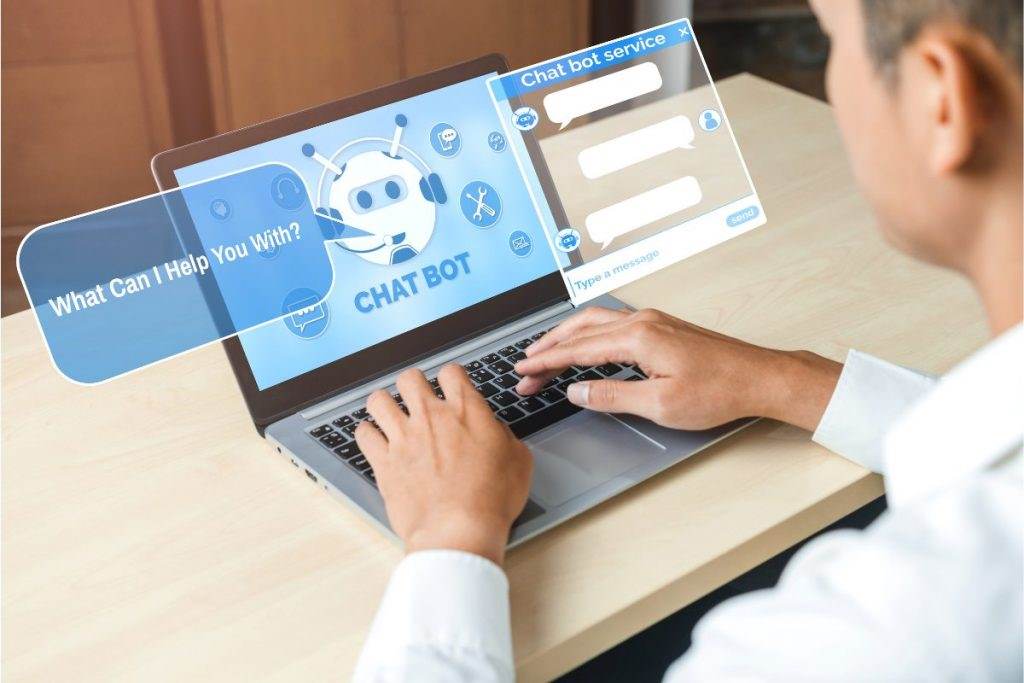
Many platforms employ machine learning algorithms. These algorithms predict where students might face difficulties. Consequently, they prevent gaps in knowledge before they widen. Additionally, AI tutors often include chatbots or virtual assistants. Students ask questions anytime, even outside school hours.
This technology differs from traditional methods. While teachers handle groups, AI provides one-on-one attention. However, it complements human instruction rather than replacing it. In fact, combining both yields the best results. Research from Carnegie Mellon University highlights how human guidance boosts AI effectiveness. Thus, educators must view AI as a partner in the teaching journey.
Benefits of AI Tutoring in Education
AI tutoring boosts student engagement significantly. Students feel more motivated when lessons match their needs. For instance, a Harvard study in 2025 found that AI-supported classrooms increased motivation and engagement levels. As a result, learners stay focused longer.
Personalized learning stands out as a key advantage. Every child learns differently. AI adapts to these variations seamlessly. Therefore, slow learners catch up without holding back others. Fast learners explore advanced topics meanwhile.
Accessibility improves for all students. AI tools offer features like text-to-speech for those with disabilities. According to Microsoft, 33% of education leaders use AI for such accessibility in 2025. Consequently, inclusive classrooms become easier to achieve.
Teachers gain valuable insights from AI data. These systems track performance trends over time. Educators then adjust their strategies based on evidence. Moreover, this frees up time for creative activities. Instead of grading endlessly, teachers mentor and inspire.
Finally, AI enhances outcomes measurably. Studies show up to 30% improvement in performance with AI tutoring, per ElectroIQ reports. Thus, schools see better test scores and deeper understanding.
Challenges and Considerations
Integrating AI tutoring brings hurdles. Privacy concerns top the list. Schools must protect student data from breaches. Therefore, choose platforms with strong security measures.
Equity issues arise next. Not all students have devices at home. This creates a digital divide. To address this, provide school resources for everyone. Additionally, train staff to support low-income families.
Teachers might resist change initially. They worry about job loss or reduced roles. However, AI augments their work. Offer training sessions to build confidence. As a result, adoption rates increase.
Technical glitches can disrupt lessons. Slow internet or software bugs frustrate users. Plan for backups and tech support. Moreover, start small to test systems.
Ethical questions matter too. AI might show bias in content. Review algorithms regularly for fairness. Consequently, ensure diverse representation in materials.
Step-by-Step Guide to Integration
Follow these steps to bring AI tutoring into your classroom effectively.
- Assess Your Needs: Start by evaluating current challenges. Survey teachers and students for input. Identify subjects where AI can help most. For example, focus on math or language arts first.
- Research Tools: Explore available AI platforms. Look for user-friendly options with proven results. Compare features like adaptive learning and reporting. Read reviews from other schools.
- Secure Buy-In: Involve stakeholders early. Present benefits to administrators, parents, and staff. Share success stories from similar institutions. This builds support and reduces resistance.
- Train Educators: Provide hands-on workshops. Teach how to use the tools daily. Encourage experimentation in safe settings. Follow up with ongoing support sessions.
- Pilot the Program: Launch in one class or grade. Monitor progress closely. Gather feedback weekly. Adjust based on what works.
- Scale Up: Expand after successful pilots. Integrate into more subjects gradually. Track overall impact on learning.
- Evaluate and Iterate: Use data to measure success. Review student outcomes regularly. Make changes as needed for continuous improvement.
Best Practices for Successful Implementation
Blend AI with human teaching. Use AI for routine tasks like drills. Let teachers handle discussions and projects. This combination maximizes strengths.
Encourage student agency. Teach kids to use AI responsibly. Guide them on verifying information. As a result, they develop critical thinking skills.
Foster collaboration. Pair AI with group activities. Students discuss AI-generated insights together. Consequently, social learning thrives.
Monitor usage patterns. Analyze data for overuse or underuse. Intervene when patterns show issues. Moreover, celebrate successes to motivate everyone.
Stay updated on trends. Attend conferences and read journals. Network with other educators. This keeps your approach fresh and effective.
Incorporate feedback loops. Collect input from users monthly. Act on suggestions quickly. Therefore, the system evolves with needs.
Case Studies and Real-World Examples
Alpha School in Texas integrated AI tutoring successfully. They used personalized platforms for math classes. Students improved scores by 25% in one year. Teachers reported more time for creative lessons. This case shows scalable benefits.
In South Africa, a primary school adopted AI for language learning. Chatbots helped non-native speakers practice daily. Engagement rose, and fluency increased notably. The program bridged cultural gaps effectively.
A Nature study in 2025 compared AI to active learning. Undergraduate physics students used an AI tutor. They learned more in less time. Participants felt more engaged too. This evidence supports broader adoption.
Michigan Virtual’s 2025 report highlighted doubled AI use in schools. Districts trained teachers extensively. Results included better accessibility and motivation. These examples inspire practical steps.
KITRUM’s analysis noted 60% of institutions using AI tools. One university implemented adaptive systems. Retention rates climbed as students received timely help.
Future Trends in AI Tutoring
AI will become more intuitive soon. Voice-activated tutors will respond naturally. This makes interactions feel like conversations.
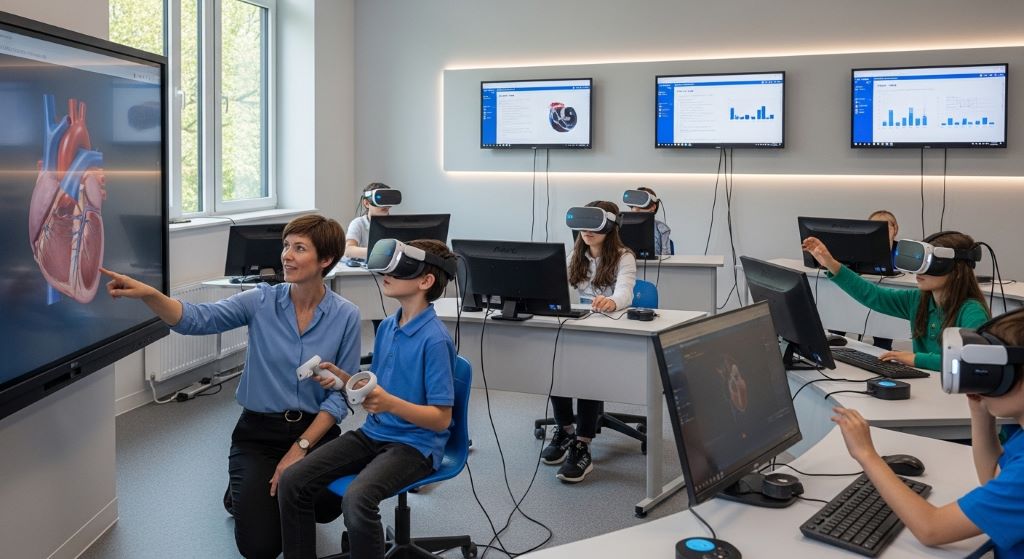
Integration with VR grows next. Students immerse in virtual worlds for hands-on learning. History lessons come alive through simulations.
Predictive analytics advance too. Systems forecast long-term needs. Educators plan interventions early.
Ethical AI takes center stage. Developers focus on bias-free designs. Regulations ensure fair use.
Global collaboration emerges. Schools share AI resources worldwide. This levels the playing field for underserved areas.
Conclusion
AI tutoring transforms modern classrooms by personalizing education and boosting engagement. Benefits include better outcomes and teacher efficiency. Challenges like privacy require careful handling. Follow the step-by-step guide for smooth integration. Adopt best practices to maximize impact. Case studies prove real-world success. Future trends promise even more innovation.
Take action today. Assess your school’s needs and start a pilot program. Your students will thank you.
FAQs
What is AI tutoring?
AI tutoring involves smart software that provides personalized lessons. It adapts to individual student needs and offers instant feedback.
How does AI tutoring benefit students?
It increases engagement and motivation. Students learn at their own pace, leading to better performance.
What challenges come with integrating AI in classrooms?
Privacy and equity issues stand out. Technical problems and resistance from staff also occur.
How can teachers prepare for AI tutoring?
Attend training workshops. Experiment with tools and seek ongoing support.
What future trends should educators watch?
Look for voice-activated systems and VR integration. Predictive analytics will shape planning.