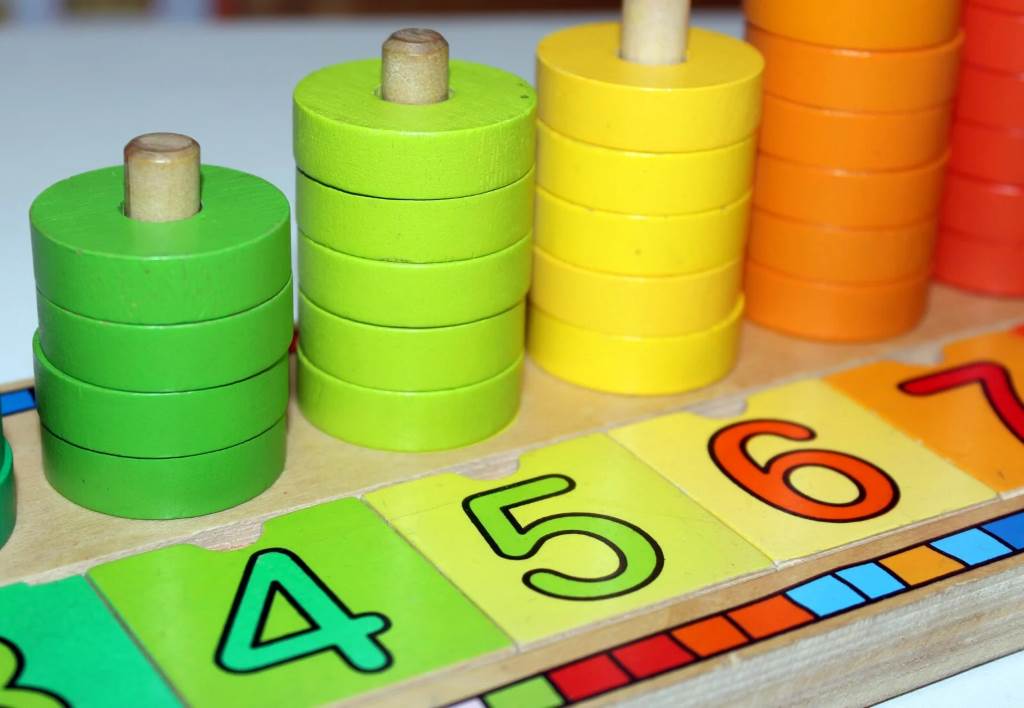
Grab a cup of coffee, parents and educators! Let’s spark some mathematical curiosity in our preschoolers with hands-on numeracy activities. Numbers aren’t just digits; they’re the building blocks of problem-solving and critical thinking. Numeracy activities for preschool help kids grasp early math concepts like number recognition, counting, and shape recognition in a fun, engaging way. According to the National Association for the Education of Young Children, early math exposure boosts cognitive development by 20% in young learners. The U.S. Department of Education also notes that kids with strong early math skills are 15% more likely to excel in later grades. Ready to dive into preschool math activities that make learning a blast?
Why Numeracy Matters for Preschoolers
Numeracy lays the foundation for early childhood education. It teaches kids to understand numbers, patterns, and measurements through play. These skills shape their ability to solve problems and think logically. Preschool math games and activities also grow motor skills and spatial awareness, key for physical development. By introducing simple math concepts early, you help kids build confidence and a love for learning.
Benefits of Numeracy Activities
- Boosts Brain Development: Hands-on activities like counting with LEGO blocks or sorting shapes enhance cognitive skills.
- Improves Motor Skills: Using tools like craft sticks or number cards strengthens fine motor abilities.
- Encourages Problem Solving: Games like number sequences or matching countable sets teach kids to think critically.
- Fosters Social Skills: Board games and group activities promote teamwork and communication.
- Builds Confidence: Mastering rote counting or one-to-one correspondence gives kids a sense of achievement.
Top Numeracy Activities for Preschoolers
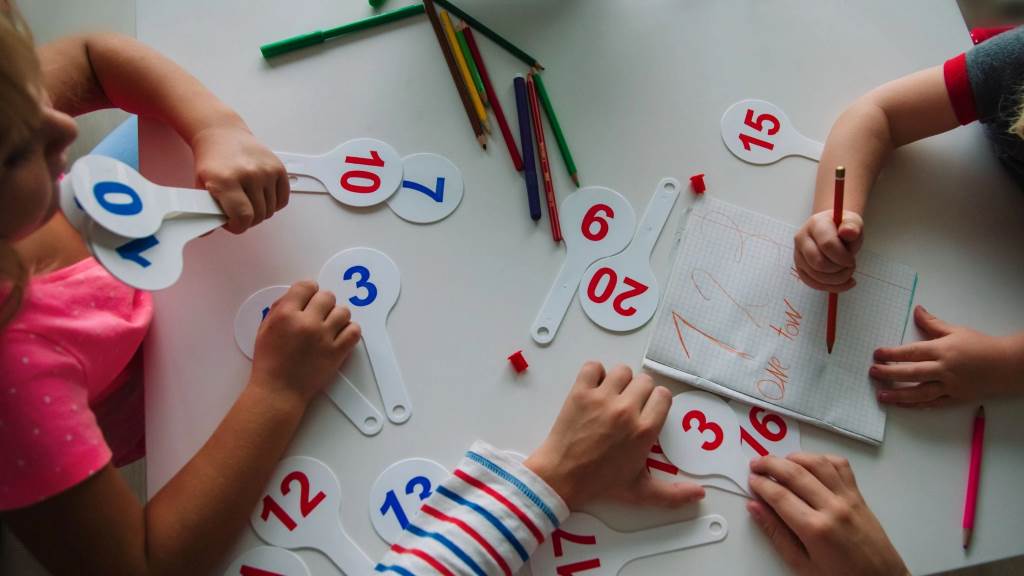
Let’s explore practical, engaging numeracy activities that spark joy and learning. These ideas use everyday items like toy cars, sticky notes, or a cupcake tin to make math fun.
1. Number Recognition with Number Cards
Number recognition is a core preschool math concept. Create a hands-on activity with index cards or UNO cards. Write numbers 1–10 on cards and scatter them on the floor. Ask kids to find and match numbers to objects, like placing three toy cars next to the “3” card.
How to Set Up:
- Use colorful index cards for numbers.
- Pair with objects like plastic shovels or corn kernels for counting.
- Add a Twister game mat for a fun twist—kids step on numbers as they count.
Why It Works: This activity teaches one-to-one correspondence and builds visual number recognition.
2. Shape Puzzles for Spatial Awareness
Shape recognition and spatial awareness go hand in hand. Use shape puzzles or magnetic tiles to teach 2-D and 3-D shapes. Kids can sort shapes or build structures, learning geometric shapes like circles, squares, and cubes.
Activity Idea:
- Cut shapes from craft sticks or use a plastic tub of sand to trace shapes.
- Ask kids to name shapes as they build towers with magnetic tiles.
- Introduce geometric patterns by arranging shapes in sequences.
Why It Works: This multi-sensory learning approach strengthens spatial reasoning and fine motor skills.
3. Counting Games with Everyday Items
Turn household items into preschool math games. Use a cupcake tin and pom-poms for a counting activity. Place a number sticker on each tin slot and have kids fill it with the correct number of pom-poms.
Steps:
- Label a cupcake tin with numbers 1–6.
- Provide pom-poms, buttons, or corn kernels.
- Kids place the matching number of items in each slot.
- Add a fishing rod with a magnet to “fish” for numbers, making it a game.
Why It Works: This teaches rational counting and reinforces number sequences.
4. Number Line Adventures
A number line is a fantastic tool for teaching simple math. Create one using painter’s tape on the floor or a rope with numbered sticky notes. Kids can jump to numbers or place objects along the line to practice adding numbers or subtraction equations.
How to Play:
- Lay out a number line from 1–10.
- Call out a number, and kids jump to it.
- For advanced learners, introduce “missing number” challenges (e.g., “What comes after 4?”).
Why It Works: This kinesthetic learning activity builds physical development and number sense.
5. Color Patterns and Sorting
Color patterns teach kids to recognize sequences and categorize. Use pipe cleaner counters or UNO cards to create patterns. Kids can sort items by color or type, like grouping red and blue toy cars.
Activity Setup:
- Lay out pipe cleaners in a red-blue-red pattern.
- Ask kids to continue the pattern.
- Use a bingo card with colors for a sorting game.
Why It Works: This builds early math areas like pattern recognition and logical thinking.
6. Measuring Lengths with Fun Tools
Introduce measuring lengths with a measuring cup or craft sticks. Kids can measure objects like toy cars or golf tees and compare lengths.
How to Do It:
- Provide a measuring cup and small items.
- Kids measure and record lengths on a bar chart made from sticky notes.
- Discuss which item is longer or shorter.
Why It Works: This introduces measurement tools and data representation in a playful way.
7. Story Sequences with Number Stories
Number stories make math relatable. Use a deck of playing cards to create a story. For example, “Three bears ate two apples. How many are left?” Kids act out the story with props like push pins or plastic shovels.
Why It Works: This combines storytelling with subtraction equations, boosting engagement.
8. Board Games for Group Fun
Board games like Chutes and Ladders or custom-made games with a bingo card teach counting and turn-taking. Add a fly swatter for a fun twist—kids swat the correct number on a board.
Why It Works: Group games foster social skills and reinforce early math concepts.
9. Technology Boost with Educational Apps
Apps like the HOMER app offer interactive preschool math activities. Kids can play games on number recognition or shape puzzles, tailored to their learning needs.
Why It Works: Digital tools complement hands-on learning, especially for special needs kids.
Discover Also:
Post-Exam Strategies for Student Reflection
How can parents support a child with dyscalculia in math?
Adapting Activities for Special Needs
Kids with special needs benefit from tailored numeracy activities. Use multi-sensory learning tools like Unifix Cubes or a plastic tub of sand for tactile experiences. Break tasks into small steps and use visual aids like number cards.
Tips:
- Use larger manipulatives like LEGO blocks for easier handling.
- Pair activities with verbal cues for kids with auditory strengths.
- Offer breaks to avoid overwhelm, as suggested by learning experts like Jill Padfield.
Tips for Parents and Educators
- Keep It Fun: Use toy cars or fly swatters to make activities lively.
- Mix It Up: Combine kinesthetic learning with visual aids like bar charts.
- Be Patient: Early development varies; let kids learn at their own pace.
- Involve Peers: Group activities like board games build teamwork.
- Use Everyday Items: Items like cupcake tins or craft sticks are budget-friendly.
Conclusion
Numeracy activities for preschoolers open doors to early math success. From number recognition with UNO cards to shape puzzles with magnetic tiles, these hands-on activities spark joy and learning. They build motor skills, spatial awareness, and problem-solving abilities while keeping kids engaged. Try one activity this week—grab some craft sticks or a cupcake tin and watch your preschooler light up with mathematical curiosity. Share your favorite activity in the comments on our blog!
FAQs
What Are the Best Materials for Numeracy Activities?
Use everyday items like LEGO blocks, pipe cleaner counters, or a deck of playing cards. These are versatile, affordable, and engage kids in hands-on learning.
How Can I Make Math Fun for Preschoolers?
Incorporate games, toys, and movement. Try number line jumps or counting with toy cars to keep kids excited and active.
Are Educational Apps Effective for Preschool Math?
Yes, apps like HOMER offer interactive games for number recognition and shape puzzles, complementing hands-on activities.
How Do I Support Special Needs Kids in Numeracy?
Use multi-sensory tools like Unifix Cubes, simplify tasks, and provide visual aids. Tailor activities to their learning needs.
What Age Should Kids Start Numeracy Activities?
Start at age 3–4 with simple counting and shape recognition. Adjust activities to match their early development stage.
References
- National Association for the Education of Young Children: https://www.naeyc.org/resources/pubs/yc/may2017/early-math
- U.S. Department of Education: https://www.ed.gov/early-learning/stem